
The kitchen is often considered the heart of the home, where culinary magic happens. However, it’s also a place rife with myths and misconceptions about the tools and gadgets we use daily. Let’s debunk some common myths and uncover the facts about kitchenware.
Myth 1: Stainless Steel Knives Never Rust

Fact: Stainless steel knives are more resistant to rust than carbon steel knives, but they are not completely rust-proof. Stainless steel contains chromium, which forms a protective layer that helps prevent rust. However, if this layer is damaged or if the knife is exposed to prolonged moisture or acidic substances, rust can still develop. Proper care, including drying knives thoroughly and storing them correctly, is essential to prevent rust.
Myth 2: Nonstick Pans Last Forever
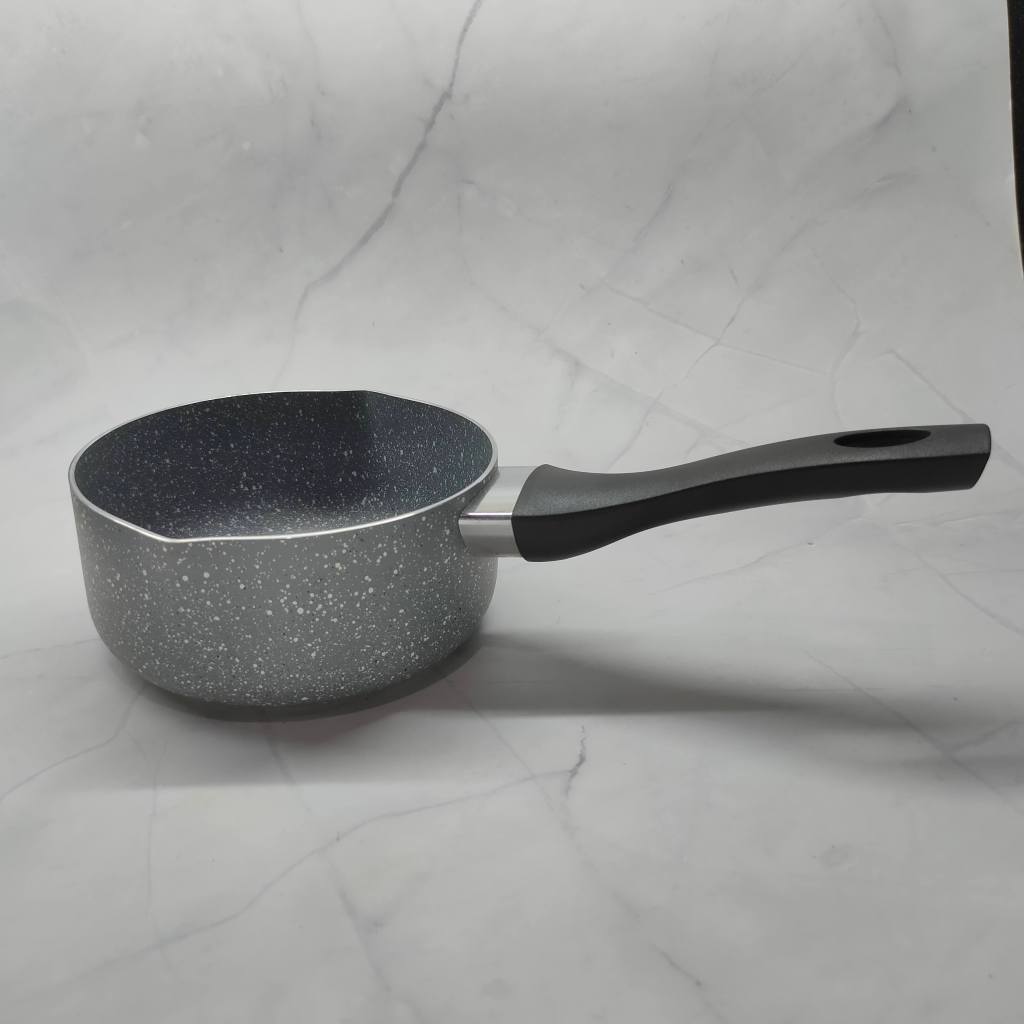
Fact: Nonstick pans, while convenient, have a limited lifespan. The nonstick coating on these pans can wear off over time, especially if exposed to high heat or scratched by metal utensils. Most nonstick pans last between three to five years with regular use. To extend the life of a nonstick pan, use wooden or silicone utensils, avoid overheating, and hand wash the pan instead of using a dishwasher.
Myth 3: Cast Iron Skillets Are Difficult to Maintain
Fact: Cast iron skillets have a reputation for being high-maintenance, but they are actually quite durable and easy to care for with the right approach. The key to maintaining a cast iron skillet is regular seasoning, which involves applying a thin layer of oil and heating it to create a nonstick surface. Avoiding soap and using a scrub brush or salt for cleaning helps maintain the seasoning. With proper care, cast iron skillets can last a lifetime.
Myth 4: Glass Cutting Boards Are Better Than Wood
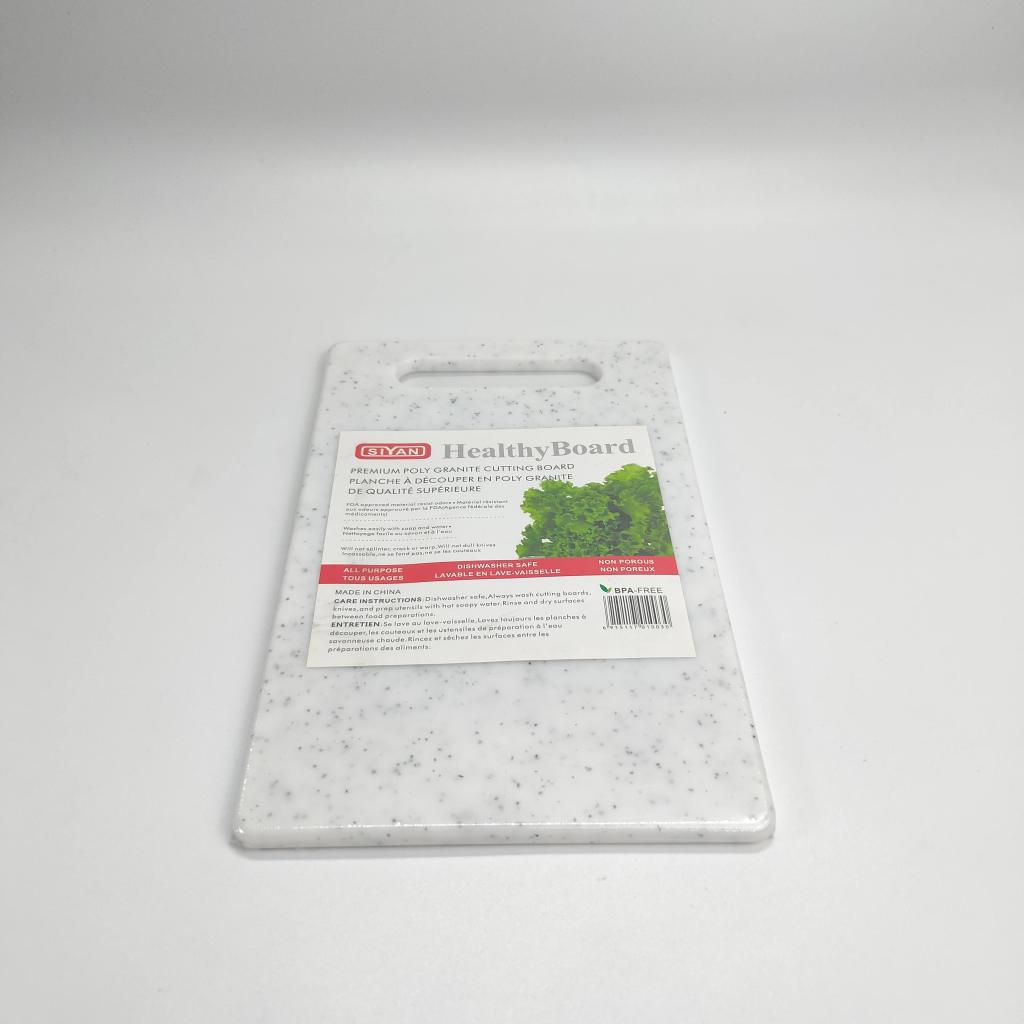
Fact: Glass cutting boards are easier to clean and don’t harbor bacteria as easily as wood, but they are not necessarily better. Glass cutting boards can dull knives quickly and are prone to shattering. Wooden cutting boards, on the other hand, are gentler on knives and, when properly maintained, can be just as sanitary. Regular oiling of wooden boards and thorough cleaning after use help prevent bacteria buildup.
Myth 5: All Silicone Bakeware Is the Same
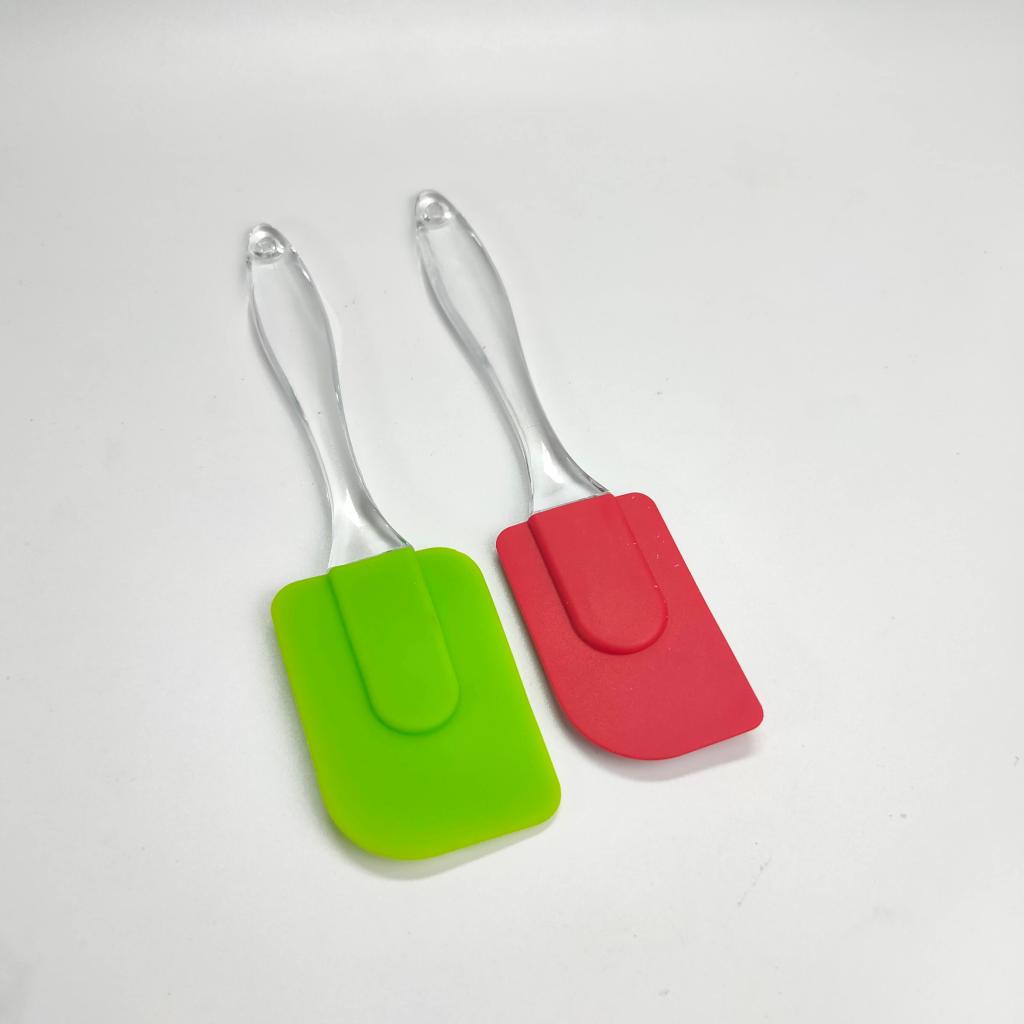
Fact: Not all silicone bakeware is created equal. High-quality silicone bakeware is durable, flexible, and can withstand high temperatures. However, low-quality silicone can contain fillers that may affect its performance and safety. When choosing silicone bakeware, look for FDA-approved, food-grade silicone to ensure you’re getting a product that is safe and durable.
Myth 6: Aluminum Cookware Causes Alzheimer’s Disease
Fact: The belief that aluminum cookware causes Alzheimer’s disease is a myth. This misconception arose from studies in the 1960s and 1970s that found high levels of aluminum in the brains of Alzheimer’s patients. However, subsequent research has not found a conclusive link between aluminum exposure and Alzheimer’s disease. Aluminum cookware is generally considered safe, especially when coated or anodized.
Myth 7: You Can’t Use Metal Utensils on Nonstick Cookware

Fact: While it’s true that traditional nonstick coatings can be damaged by metal utensils, there are modern nonstick cookware options designed to withstand metal utensils. Some newer nonstick surfaces are reinforced with materials like titanium or diamond dust, making them more durable. However, using wooden or silicone utensils is still a safer bet for extending the life of your nonstick cookware.
Myth 8: Copper Cookware Provides the Best Heat Conduction
Fact: Copper cookware is renowned for its excellent heat conduction, but it’s not necessarily the best choice for all cooking needs. Copper heats up quickly and evenly, making it ideal for tasks requiring precise temperature control. However, it also reacts with acidic foods, which can affect flavor and color. To mitigate this, most copper cookware is lined with stainless steel or tin, which provides a non-reactive surface while retaining the heat conduction benefits.
Understanding the facts behind these kitchenware myths can help you make better choices and maintain your tools more effectively. Whether it’s selecting the right knife, caring for a cast iron skillet, or choosing safe and durable bakeware, informed decisions will enhance your cooking experience and extend the life of your kitchen tools.
 Sunnieluxe Kitchen Trading
Leave a comment